How Commercial Roofing Work Moves, Step by Step
Commercial roofing replaces or restores the low-slope membrane over your building, and sequence matters more than the brand printed on the roll. Here is how we run it for property managers across Essex County.
- A roof asset survey maps every seam, field, and penetration first, so your roof estimate is line-itemed against real square footage instead of a guess.
- We stage the rooftop with plywood walkways and set the dumpster clear of tenant parking.
- Scaffold or a safety harness system goes up at the parapet, and the crew strips the failing membrane down to the substrate.
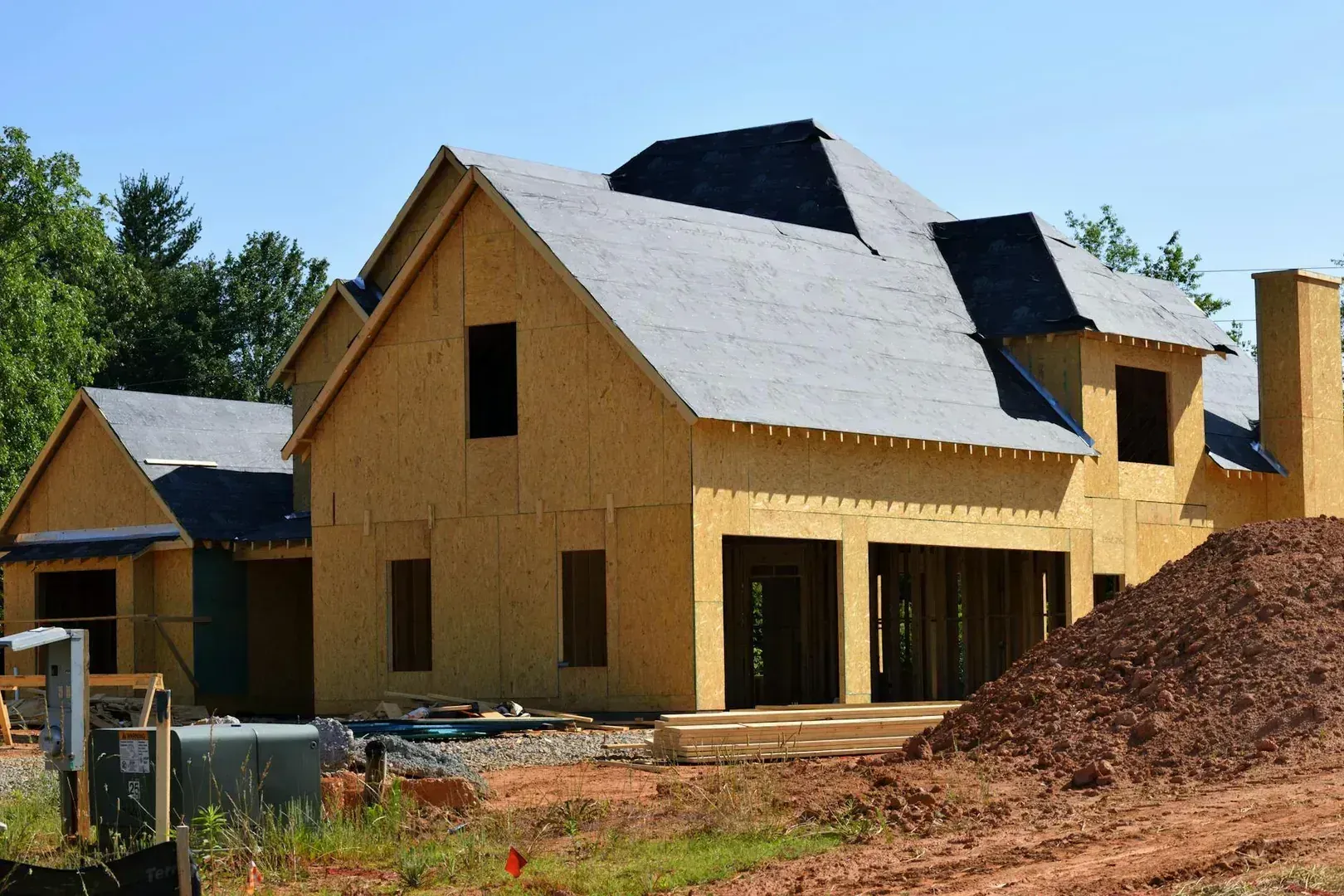
- Wet insulation, rotted plywood, and soft OSB sheathing come out; the roofer checks each truss, rafter, joist, purlin, and ridge beam for rot or sag.
- New decking is fastened with ring-shank nails and screws, then a vapor barrier and self-adhered underlayment go down at the eaves.
- TPO, EPDM, PVC membrane, or modified bitumen is rolled out, lapped, and welded or bonded across staggered field courses.
- Flashing, counter-flashing, step flashing, apron flashing, and pipe boots are hand-sealed with mastic and roof cement rather than smeared caulk.
- We sweep the deck, haul debris off in the dumpster, and walk the roofline with you before the final invoice.
Which Membrane Fits Your Building
System selection is the job. Choose wrong and you are back on the rooftop in six years instead of twenty.
- TPO and PVC membrane are reflective single-ply sheets that cut cooling load on a low-slope roof deck and shrug off ponding water.
- EPDM is black rubber, forgiving in cold weather, and a good fit for rooftops with heavy foot traffic and mechanical equipment.
- Modified bitumen is asphalt reinforced with rubber, usually laid in two plies, and it belongs where water sits against a parapet.
- A built-up roof layers roofing felt and hot bitumen; it is heavy, proven, and easy to reseal with a repair coat.
- Standing-seam panel or corrugated panel suits long spans, and a batten or counterbatten grid carries the metal where purlins replace sheathing.
- A reflective roof coating can buy years on a membrane that is not at end-of-life, and it costs far less than a tear-off.
- Ventilation, insulation R-value, and building code compliance drive every spec; no soffit vent or attic fan dries a saturated roof deck on its own.
What a Roof Inspection Actually Checks
Commercial roofing inspections read the whole assembly, not just the surface.
- Granule loss, curl, and buckle on a three-tab shingle or architectural shingle tell you the field course is finished.
- Wood shake and cedar shake rot at the butt ends long before water reaches your ceiling, while slate, clay tile, and concrete tile crack at the fastener.
- Chimney flashing, a vent boot, and a skylight curb are where most leaks begin, along with the valley, ridge cap, and drip edge.
- Synthetic underlayment outlasts roofing felt and tar paper, which wrinkle and tear under a hot summer roof.
- Old tar, asphalt, and pitch flake and peel, and UV degradation chalks a sound membrane long before it opens up.
- A clogged gutter or downspout, a soft soffit, a sagging fascia, or a failed ice-and-water shield all trace back to the same water.
- We carry a ladder, air compressor, nail gun, pry bar, and roofing shovel, so a bad roofing square of decking gets replaced the same visit.
Local Conditions That Change the Spec
Newark weather writes half the specification before we ever price a job.
- Ice dam season is real here — freeze-thaw cycles push meltwater under shingles and into ceilings near top-floor exterior walls.
- Newark takes 46 to 50 inches of precipitation in a normal year, so a scupper or coping detail that ponds will find a seam.
- Nor'easters can drop a foot of snow in one storm, which is why snow guards go above a canopy, awning, or dormer overhang.
- Ironbound, Forest Hill, and Weequahic buildings mix mansard and gambrel rooflines with flat sections, and that transition is where trusses soak.
- Staging near I-78, McCarter Highway, or Broad Street constrains crane and dumpster placement, which changes labor hours, not workmanship.
Timelines, Cost Drivers, and What We Won't Sell You
Commercial roofing prices move with access and assembly, not with the calendar.
- A recover or overlay over dry insulation runs shorter and cheaper than a full tear-off down to the decking.
- Square footage and membrane type drive most of the price; a hip or gable roof with clear staging costs less than one hemmed in by rooftop units.
- Not every problem needs a replacement — resealing a chimney, resetting a boot flashing, or refitting a rake or verge detail is a repair, and we will say so.
- Waterproofing and weatherproofing details get photographed, and we hand you the anchor-point images so the next roofing contractor is not guessing.